Abstract Candy Digital Papers: A Versatile Asset for Creative and Business Workflows
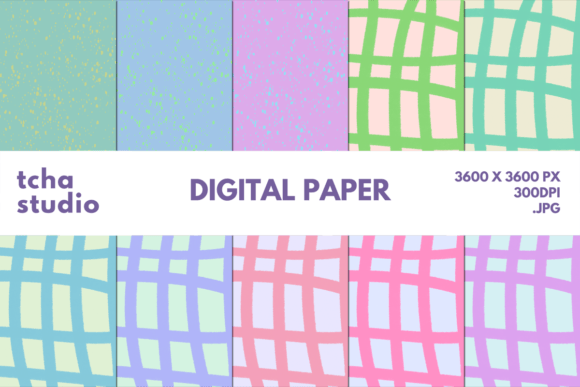
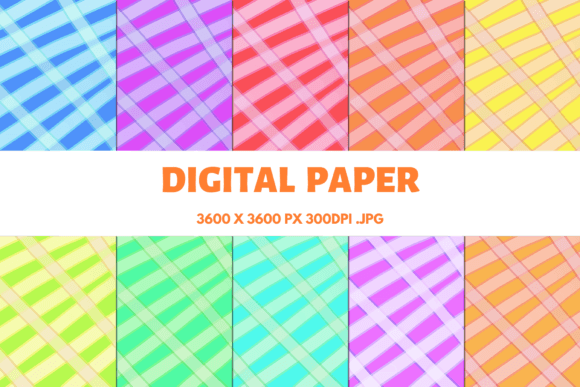
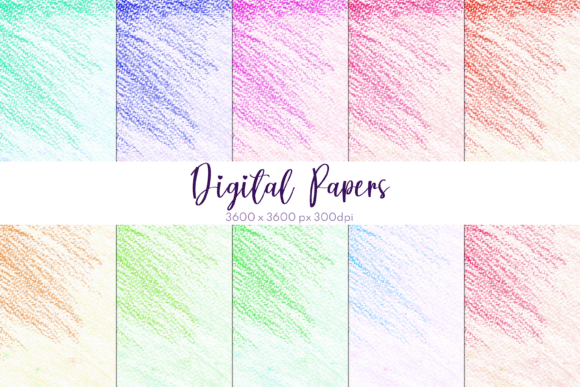
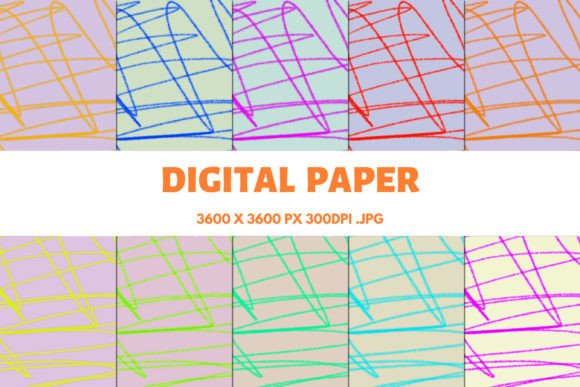
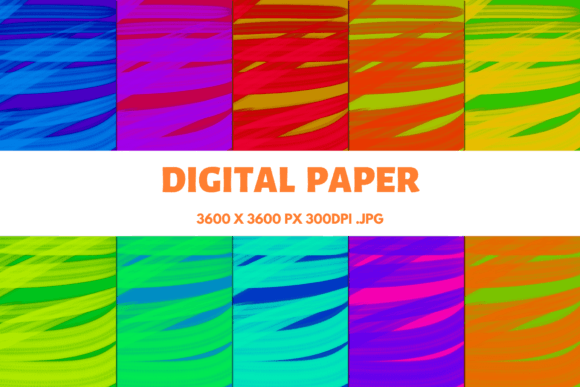
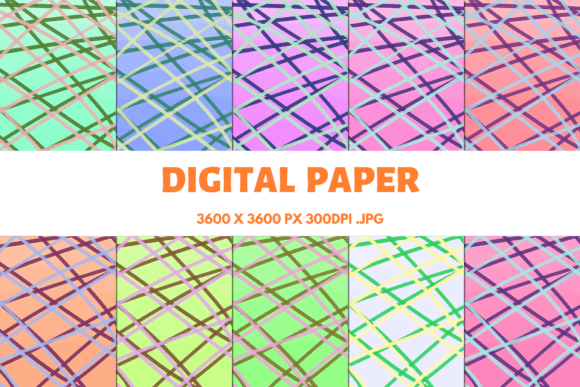
Abstract Candy Digital Papers are high-resolution, 300 DPI JPG files measuring 3600×3600 pixels (12×12 inches) that offer a unique blend of artistic abstraction and practicality. These digital papers are designed to be used across a wide range of applications—from sublimation and printed materials to social media graphics and product packaging. Whether you're a designer, marketer, or entrepreneur, these digital assets can streamline your workflow and enhance the visual appeal of your projects.
Understanding the Role of Abstract Candy Digital Papers in Design
At their core, Abstract Candy Digital Papers serve as background elements that add depth and texture to various creative outputs. Unlike traditional solid colors or simple patterns, these abstract designs provide a dynamic base that can elevate the aesthetic of any project. They are particularly useful in scenarios where a subtle yet visually engaging backdrop is needed without overshadowing the primary content.
These digital papers are compatible with most graphic design software, including Adobe Photoshop, Illustrator, Canva, and GIMP. Their high resolution ensures clarity even when scaled up for large-format printing or detailed sublimation work. This makes them ideal for professionals who need consistent quality across different mediums and sizes.
Integration into Creative Processes
When integrating Abstract Candy Digital Papers into your creative process, consider how they fit into the broader workflow. For instance, if you're designing a website or social media campaign, these papers can be used as backgrounds for banners, headers, or promotional images. Their versatility allows them to complement both minimalist and bold design styles, making them a flexible choice for various brand identities.
For print-based projects such as invitations, business cards, or product packaging, the high resolution and vibrant color palette of these digital papers ensure that the final output maintains its visual integrity. When using them for sublimation, it's important to test the paper on the intended fabric or material to ensure compatibility and color accuracy.
Workflow Examples and Practical Implementation
Let’s explore a few practical examples of how Abstract Candy Digital Papers can be implemented:
- Designing Social Media Graphics: Use one of the abstract papers as a background for Instagram posts, Facebook covers, or Twitter banners. Overlay text and icons on top to maintain readability while enhancing the visual appeal.
- Creating Product Packaging: Apply the digital paper as a background for packaging mockups. This can help visualize how the final product will look before production begins.
- Sublimation Projects: Print the digital paper onto transfer paper and apply it to T-shirts, mugs, or phone cases. The intricate details of the abstract designs will translate well onto different surfaces, offering a unique finish.
- Scrapbooking and Printable Art: Incorporate these papers into scrapbook layouts or printable art pieces. Their abstract nature can create a cohesive theme or add an artistic flair to personal projects.
When implementing these papers into your workflow, it's essential to organize your digital assets effectively. Create folders based on project type or medium to ensure easy access and efficient use. Additionally, always keep a backup of your files to prevent loss due to technical issues.
Compatibility and Usability Considerations
Before using Abstract Candy Digital Papers, ensure that your design software supports JPG files at 300 DPI. While most modern programs do, it's worth checking the specifications of your preferred tool. Also, consider the file size—each of the 10 included JPG files is likely to be large, so having sufficient storage space is crucial.
For users working with limited bandwidth or slow internet connections, downloading all 10 files at once might be time-consuming. To manage this efficiently, download them during off-peak hours or use a reliable download manager. Once downloaded, rename the files with clear labels to avoid confusion later on.
Another consideration is color profile compatibility. If you're printing the digital papers, make sure your printer is set to match the color profile used in the files. This step helps maintain the vibrancy and accuracy of the colors in the final output.
Long-Term Use and Quality Control
As part of your long-term workflow, consider how frequently you’ll need to use these digital papers. If you’re working on multiple projects simultaneously, having a centralized repository for all your digital assets can save time and reduce errors. Tools like Adobe Bridge or cloud storage platforms can help manage and categorize your files efficiently.
Quality control is another key aspect. Before finalizing any project that uses these papers, review the composition to ensure that the abstract elements don’t clash with other design elements. Test prints or previews can help identify potential issues early on, saving time and resources in the long run.
It's also worth noting that these digital papers can be repurposed for future projects. Store them in a dedicated folder or asset library so they remain accessible for upcoming tasks. This practice not only enhances efficiency but also promotes consistency across your work.
Conclusion
Abstract Candy Digital Papers are more than just decorative assets—they are functional tools that can enhance the visual impact of your creative and business projects. By understanding their role in the design process and integrating them effectively into your workflow, you can achieve professional results with minimal effort. Whether you're designing for print, digital media, or sublimation, these high-quality digital papers offer a versatile solution that aligns with both practical needs and artistic expression.