Geometric Rhombuses Seamless Patterns: A Modern Design Resource for Creative Projects
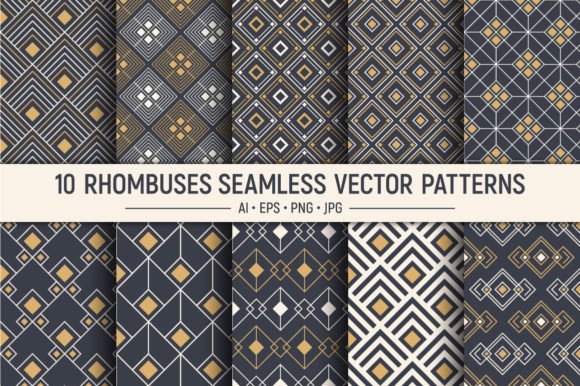
Geometric rhombuses seamless patterns offer a versatile and visually striking option for designers, artists, and creators looking to enhance their digital or physical projects. These patterns are characterized by the use of rhombus shapes—diamond-like quadrilaterals with equal sides but varying angles—arranged in a repeating, tileable format. The result is an abstract, modern aesthetic that can be applied across a wide range of mediums and purposes.
The appeal of geometric rhombuses seamless patterns lies in their ability to create dynamic visual interest while maintaining a clean, structured look. Unlike more organic or chaotic designs, these patterns rely on mathematical precision to achieve balance and harmony. This makes them particularly well-suited for applications where clarity and professionalism are key, such as business cards, web design, or packaging.
What Makes Geometric Rhombuses Seamless Patterns Unique?
One of the defining features of geometric rhombuses seamless patterns is their seamless nature. When repeated, they form a continuous, uninterrupted design without visible seams or breaks. This is especially important when using the patterns as backgrounds or textures that need to wrap around objects or cover large areas.
Another distinguishing aspect is the variety of color options available. Many collections include multiple variations of the same pattern, allowing users to choose from different palettes to match their project's overall theme or branding. Whether you're working with bold, high-contrast colors or subtle, muted tones, there's likely a version of these patterns that will fit your needs.
These patterns are also highly adaptable. They can be scaled up or down without losing quality, making them suitable for both small-scale items like stickers or larger formats like banners and posters. Additionally, their vector-based format ensures that they remain crisp and clear at any resolution, which is crucial for print and digital use alike.
Comparing Geometric Rhombuses Seamless Patterns with Other Design Options
When considering design resources, it's helpful to compare geometric rhombuses seamless patterns with other popular options. For instance, traditional floral or botanical patterns often feature intricate details and natural elements, which can be more complex and less uniform than geometric designs. While this may be preferable for certain artistic or thematic contexts, it can also be more challenging to work with in terms of scalability and adaptability.
In contrast, minimalist line art or monochrome patterns provide a simpler, more subdued aesthetic. However, these may lack the visual impact and versatility of geometric rhombuses seamless patterns, which combine structure with a sense of movement and rhythm through their repeating forms.
For those seeking something more abstract or experimental, fractal or algorithmic patterns might be an alternative. These designs are generated using mathematical formulas and can produce highly intricate and unique visuals. However, they may not always be as easy to customize or integrate into existing designs as the more structured approach of rhombus-based patterns.
Best-Fit Situations for Using Geometric Rhombuses Seamless Patterns
Given their distinct characteristics, geometric rhombuses seamless patterns are particularly well-suited for specific types of projects. One common use case is in digital backgrounds for websites or mobile apps. Their clean, modern look helps maintain a professional appearance while adding visual depth and interest.
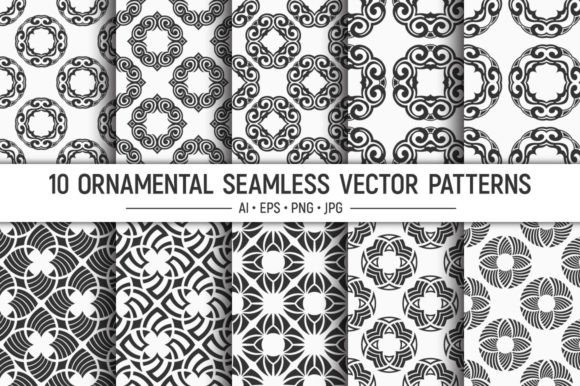
They are also popular choices for fabric prints and surface textures. The seamless quality of the patterns ensures that they can be used on garments, upholstery, or decorative items without disrupting the continuity of the design. In addition, the availability of multiple file formats—including AI, EPS, JPG, and PNG—makes them compatible with a wide range of software and printing processes.
Another area where these patterns shine is in the creation of business materials. From branded stationery to promotional banners, the structured yet stylish appearance of geometric rhombuses seamless patterns can help reinforce a brand's identity while remaining visually appealing.
Strengths and Limitations of Geometric Rhombuses Seamless Patterns
The primary strength of geometric rhombuses seamless patterns is their versatility. They can be adapted to a wide range of uses, from digital media to print, and their structured composition allows for easy integration into larger design compositions. Additionally, the availability of multiple file formats ensures that they can be used in various design workflows, whether working in Adobe Illustrator, Photoshop, or other graphic design software.
However, like any design resource, they do have limitations. For example, they may not be the best choice for projects that require a more organic or freeform aesthetic. If a design needs to convey a sense of fluidity or natural randomness, geometric patterns may feel too rigid or structured.
Another consideration is the level of customization required. While many collections offer a range of color variations, some users may find that they need to modify the patterns further to achieve the exact look they want. This could involve adjusting the spacing between rhombuses, altering the angles, or experimenting with different color combinations.
When to Choose Geometric Rhombuses Seamless Patterns
Geometric rhombuses seamless patterns are ideal for projects that benefit from a clean, modern, and structured design. If you're looking for a background that adds visual interest without overwhelming the content, or if you need a fabric print that maintains consistency across large surfaces, these patterns are an excellent choice.
They are also well-suited for creative professionals who value efficiency and ease of use. The fact that they are pre-designed and ready to use means that they can save time compared to creating custom patterns from scratch. This makes them particularly useful for those working under tight deadlines or managing multiple design tasks simultaneously.
However, if your project requires a more bespoke or unconventional approach, you may want to consider alternative options. For example, if you're designing a logo or a piece of artwork that needs to stand out with a unique, one-of-a-kind look, a custom-made pattern might be a better fit.
Conclusion
Geometric rhombuses seamless patterns offer a compelling combination of structure, versatility, and visual appeal. Whether you're designing for digital or print, these patterns provide a reliable and aesthetically pleasing solution that can be easily adapted to a wide range of applications. By understanding their strengths, limitations, and best-fit situations, you can make an informed decision about whether they are the right choice for your next project.