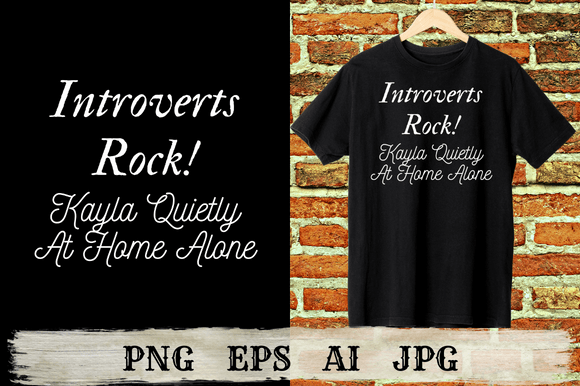
Introverts Rock Quietly at Home Alone
For many introverts, the quiet solitude of home is not just a preference—it's a strategic advantage. Introverts Rock Quietly at Home Alone is more than a phrase; it’s a lifestyle choice that can enhance productivity, creativity, and decision-making when practiced intentionally. This concept reflects the unique ability of introverted individuals to harness their energy, focus, and deep thinking in environments free from external distractions. Whether you're an entrepreneur, marketer, or creative professional, understanding how to leverage this approach can lead to better results and long-term success.
Introverts Rock Quietly at Home Alone isn't about isolation; it's about intentional time management and mental clarity. It's a mindset that allows for deeper concentration, thoughtful planning, and meaningful output. By embracing this practice, introverts can align their natural tendencies with strategic goals, leading to more effective outcomes in both personal and professional contexts.
The Strategic Value of Solitude
One of the most powerful aspects of Introverts Rock Quietly at Home Alone is its capacity to support goal-oriented behavior. When surrounded by the calm and control of one's own space, introverts are often able to make better decisions, plan more effectively, and execute tasks with greater precision. This is particularly valuable for professionals who need to think critically, strategize, or create without the interruptions of a busy office or social environment.
Consider the example of a content creator who uses Introverts Rock Quietly at Home Alone to write blog posts, design graphics, or develop marketing strategies. In this setting, they can tap into their inner resources without the noise of external stimuli. The result is higher-quality work, faster progress, and more sustainable creative output.
Strategic use of this principle also extends to branding and business operations. Entrepreneurs who understand their own energy cycles can schedule high-focus tasks during times when they feel most productive—often in the quiet of their home. This approach leads to better planning, more thoughtful communication, and stronger brand positioning over time.
When to Use Introverts Rock Quietly at Home Alone
There are specific situations where Introverts Rock Quietly at Home Alone becomes especially useful. These include:
- Deep Work Sessions: When complex problem-solving or creative projects require sustained attention.
- Planning and Strategy: For developing business plans, marketing campaigns, or long-term goals.
- Learning and Skill Development: When engaging in self-directed learning, reading, or mastering new skills.
- Reflection and Decision-Making: To evaluate options, weigh pros and cons, and make informed choices.
These scenarios benefit from the focused, uninterrupted environment that Introverts Rock Quietly at Home Alone provides. However, it's important to recognize that this approach should be used selectively and with clear objectives in mind. Without proper context or goals, relying solely on solitude can lead to missed opportunities for collaboration, feedback, or real-world testing of ideas.
How to Approach Introverts Rock Quietly at Home Alone
To maximize the benefits of Introverts Rock Quietly at Home Alone, it's essential to approach it with intentionality. Here are some practical steps to consider:
- Set Clear Goals: Define what you want to achieve during your solo time. This could be completing a project, brainstorming new ideas, or refining a strategy.
- Create a Dedicated Space: Designate an area in your home that promotes focus and creativity. This might involve minimizing distractions, using calming colors, or incorporating elements like plants or soft lighting.
- Establish Routines: Develop a consistent schedule that aligns with your natural energy patterns. This helps build momentum and ensures that your quiet time is used effectively.
- Use Tools and Resources: Leverage tools such as planners, digital calendars, or productivity apps to track progress and stay organized during your solo sessions.
- Balance with Social Interaction: While solitude is beneficial, it's also important to maintain connections with others. Schedule regular check-ins, collaborate when necessary, and ensure that your solitary time doesn't become a complete withdrawal from the world.
By following these guidelines, you can create a balanced approach that leverages the strengths of Introverts Rock Quietly at Home Alone while still engaging with the broader community and professional network.
Possible Risks and Considerations
While Introverts Rock Quietly at Home Alone offers numerous advantages, there are potential risks if it's not managed properly. One common issue is the risk of becoming too isolated, which can hinder collaboration and limit access to diverse perspectives. Another challenge is the possibility of procrastination or burnout if the practice is not structured effectively.
To avoid these pitfalls, it's important to set boundaries, seek feedback regularly, and remain open to new experiences. Additionally, integrating periodic breaks from solitude can help maintain a healthy balance between independence and interaction.
It's also crucial to recognize that not every task or situation requires the quiet of home. Some projects may benefit from teamwork, brainstorming sessions, or client interactions. Understanding when to use Introverts Rock Quietly at Home Alone and when to engage with others is key to achieving optimal results.
Integrating Introverts Rock Quietly at Home Alone into Your Branding and Operations
For entrepreneurs and small business owners, the principle of Introverts Rock Quietly at Home Alone can be a powerful tool in shaping branding, customer experience, and operational efficiency. By creating a brand identity that reflects the values of solitude, focus, and thoughtful creation, businesses can resonate with introverted customers and clients.
This approach can also be applied to customer experience strategies. For instance, offering online consultations, personalized service, or digital products can cater to those who prefer a quiet, self-directed engagement. Similarly, using Introverts Rock Quietly at Home Alone in internal operations can lead to more efficient workflows, better decision-making, and a more focused team culture.
Whether designing a logo, crafting a website, or developing a marketing campaign, the principles of Introverts Rock Quietly at Home Alone can guide the process toward more intentional and impactful outcomes.
Final Thoughts on Introverts Rock Quietly at Home Alone
Introverts Rock Quietly at Home Alone is a powerful concept that, when applied strategically, can lead to better results across various domains. It's not about avoiding social interaction but rather about making deliberate choices about when and how to engage with the world. By leveraging the strengths of solitude, introverts can achieve greater focus, creativity, and productivity.
Whether you're looking to improve your workflow, enhance your branding, or simply find more peace and purpose in your daily life, embracing Introverts Rock Quietly at Home Alone can be a transformative step. With careful planning, clear goals, and a balanced approach, this practice can support long-term success and fulfillment.