Summer Digital Papers: A Versatile Resource for Creative Projects
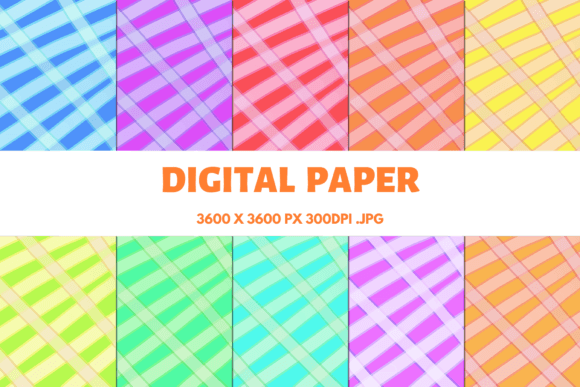
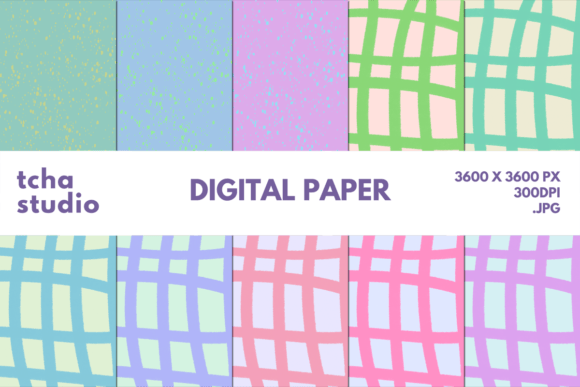
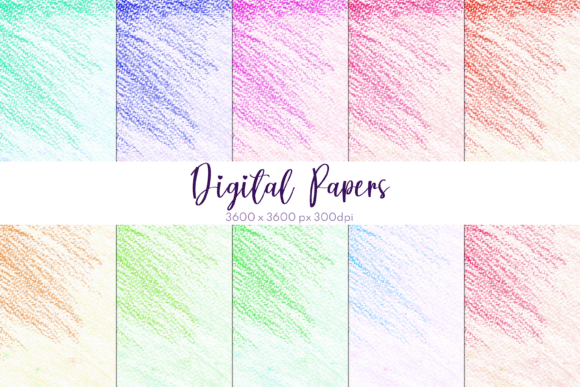
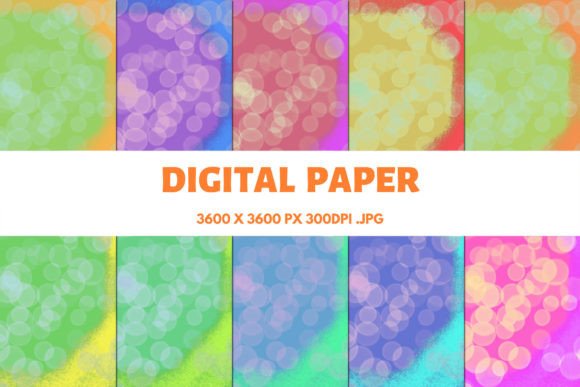
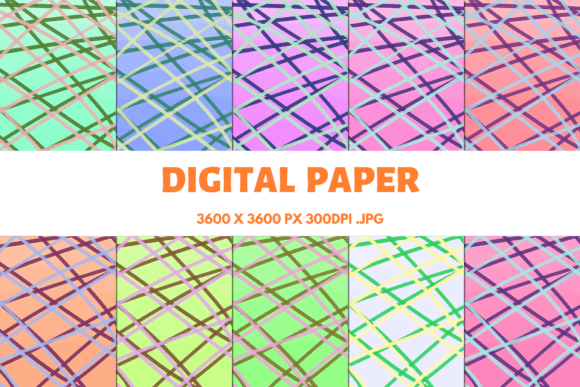
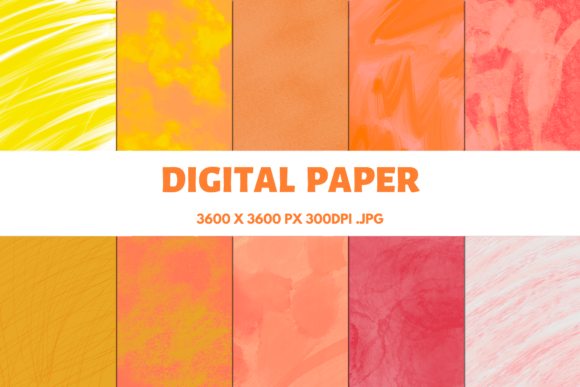
Summer Digital Papers offer a unique blend of design flexibility and high-quality resolution, making them ideal for a wide range of creative applications. These digital paper files are available in JPG format, with a resolution of 300 DPI and dimensions of 3600×3600 pixels, translating to a usable size of 12×12 inches. This level of detail ensures that the designs remain crisp and clear whether used for printing or digital display.
What Makes Summer Digital Papers Stand Out?
One of the primary advantages of Summer Digital Papers is their adaptability. Unlike traditional paper products, these digital assets can be easily customized to suit various projects without the need for physical alterations. Whether you're designing a logo, creating social media graphics, or preparing printable materials, the versatility of these papers allows for seamless integration into your workflow.
The high-resolution format also plays a crucial role in the quality of the final output. At 300 DPI, these files are suitable for professional-grade printing, ensuring that the intricate details of the designs are preserved. This makes them particularly useful for sublimation, product packaging, and other print-based applications where clarity is essential.
Comparing Summer Digital Papers with Similar Options
When evaluating alternatives to Summer Digital Papers, it's important to consider both the technical specifications and the intended use cases. Many digital paper collections on the market come in lower resolutions or smaller file sizes, which may not be suitable for large-scale printing or high-detail work. In contrast, the 3600×3600 pixel dimension of Summer Digital Papers ensures that the designs maintain their integrity across different mediums.
Another factor to consider is the range of applications. While some digital paper sets are limited to specific uses such as scrapbooking or social media content, Summer Digital Papers are designed to be all-inclusive. They can be applied to T-shirts, stickers, mugs, pillows, blankets, book covers, phone cases, and more. This broad applicability makes them a valuable resource for designers, entrepreneurs, and hobbyists alike.
Strengths and Tradeoffs
The strengths of Summer Digital Papers lie in their high resolution, adaptability, and extensive use cases. However, there are tradeoffs to consider. For instance, while the JPG format is widely supported and easy to use, it may not be the best choice for projects requiring transparency or layered effects. Additionally, users who require more detailed customization options may find that other formats, such as PNG or vector-based files, better suit their needs.
It’s also worth noting that while these digital papers are highly versatile, they may not be the most cost-effective solution for every project. Depending on the volume and complexity of the work, investing in specialized tools or resources could yield better results. However, for most general-purpose applications, the benefits of Summer Digital Papers often outweigh these potential limitations.
Best-Fit Situations for Summer Digital Papers
Summer Digital Papers are particularly well-suited for individuals and businesses looking for a reliable and high-quality resource for a variety of creative endeavors. For example, if you're planning to launch a new line of merchandise, these digital papers can serve as the foundation for custom designs on T-shirts, mugs, and other promotional items. Their ability to scale without losing quality makes them an excellent choice for print-on-demand services.
For graphic designers and content creators, these digital papers provide a convenient way to enhance visual elements in presentations, websites, and marketing materials. The ability to reuse and repurpose the designs across different platforms adds to their value. Whether you're working on a personal project or managing a business, the flexibility of these papers can streamline your workflow and reduce the need for additional design resources.
Additionally, educators and event planners may find these digital papers useful for creating invitations, signage, and other printed materials. The high-resolution format ensures that the final products look professional, even when printed in large quantities.
When to Consider Alternatives
While Summer Digital Papers are a strong option for many applications, there are situations where alternative solutions may be more appropriate. For instance, if you're working on a project that requires intricate layering or transparency effects, you might want to explore other file formats such as PNG or SVG. These formats allow for more advanced editing and can be better suited for certain types of graphic design work.
Moreover, if your project involves frequent modifications or requires a higher degree of customization, investing in a design software package that offers more robust editing tools could be beneficial. While Summer Digital Papers provide a solid base, they may not be sufficient for complex design tasks that require extensive manipulation.
It’s also important to consider the cost-benefit ratio. If you're working on a large-scale project that requires a significant number of custom designs, purchasing individual digital papers may not be the most economical approach. In such cases, exploring bulk licensing options or using design marketplaces could provide more cost-effective solutions.
Realistic Examples and Practical Comparisons
To illustrate the practicality of Summer Digital Papers, consider a small business owner looking to create branded merchandise. Using these digital papers, they can design custom T-shirts, mugs, and phone cases that reflect their brand identity. The high-resolution format ensures that the logos and patterns remain sharp and clear, even when printed on different materials.
In comparison, a designer working on a website layout may prefer to use vector-based files for icons and illustrations, as they can be scaled without loss of quality. However, for background textures or decorative elements, Summer Digital Papers offer a quick and effective solution without the need for additional design work.
Another example is a wedding planner who needs to create invitations and table cards. With Summer Digital Papers, they can easily customize the designs to match the theme of the event, ensuring that the final products look cohesive and professional. This is especially useful for last-minute changes or when working within tight deadlines.
Ultimately, the decision to use Summer Digital Papers depends on the specific requirements of the project. By understanding the strengths and limitations of these digital assets, users can make informed choices that align with their goals and constraints.